




Effective Strategies for Efficient Reviewing
In today’s fast-paced world, efficient reviewing is essential for success in both academic and professional settings. With the overwhelming amount of information available, it’s crucial to develop practical strategies that can streamline the reviewing process. Here are some effective ways to enhance your review techniques. And don’t forget, you can also take advantage of resources like Practical Ways to Review the Fine Print on Free Spins No Deposit free spins no deposit to keep your motivation high!
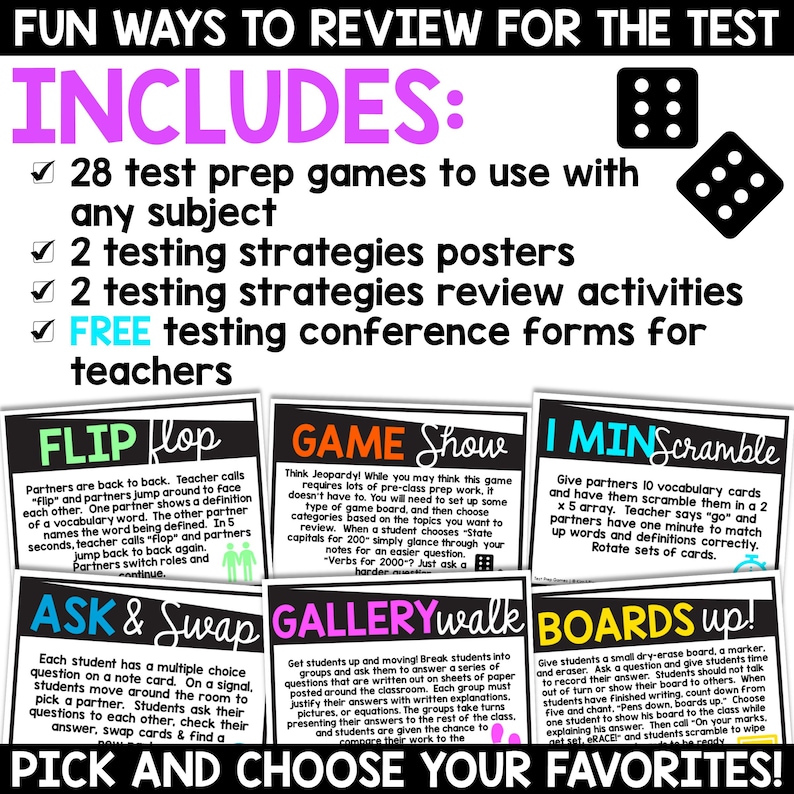
1. Set Clear Objectives
Before diving into the review process, it’s essential to establish clear objectives. What do you want to achieve? Identifying your goals will help you stay focused and prioritize the most important content. Whether you’re preparing for an exam, a presentation, or a project deadline, having specific objectives will guide your review sessions.
2. Use Active Learning Techniques
Passive review methods, such as reading or highlighting text, are often less effective than active learning techniques. Engage with the material by summarizing it in your own words, teaching it to someone else, or applying it in real-life scenarios. Techniques like flashcards, practice tests, and group discussions can also enhance retention and comprehension.
3. Create a Structured Review Plan
Developing a structured review plan helps manage your time effectively and ensures that all topics are covered. Break down your review material into manageable sections and allocate specific time slots for each topic. Make sure to include regular breaks to prevent burnout. A well-organized plan will not only keep you on track but also reduce stress.
4. Employ Technology to Aid Reviewing
Incorporating technology into your review process can significantly boost efficiency. Use apps for note-taking, flashcards, or scheduling. Online resources such as video tutorials, interactive quizzes, and discussion forums can provide diverse perspectives on the subject matter. Embracing technology not only makes studying more dynamic but also aligns with modern learning preferences.
5. Review in Intervals
The science of learning suggests that reviewing material in intervals, known as spaced repetition, enhances memory retention. Instead of cramming all at once, break your review sessions into smaller, spaced-out intervals over days or weeks. This technique promotes long-term retention and helps avoid the overwhelming feeling of last-minute studying.
6. Align Review Methods with Learning Styles
Everyone has different learning preferences. Some may find visual aids beneficial, while others may prefer auditory or kinesthetic methods. Tailor your review techniques to align with your learning style. For instance, if you are a visual learner, use diagrams, infographics, and videos. If you are auditory, consider listening to lectures or discussing topics aloud.
7. Incorporate Mind Mapping
Mind mapping is an effective technique that visualizes connections between concepts. It allows you to organize and summarize information in a way that reflects your understanding. Create a central idea and branch out with subtopics, making it easier to see relationships and hierarchies. This technique not only aids in comprehension but also stimulates creativity.
8. Utilize Study Groups
Collaborating with peers can enhance your understanding and retention of material. Join or form study groups where you can discuss, debate, and share insights on different topics. This interactive learning environment allows for the exchange of ideas and can clarify doubts. Additionally, teaching concepts to peers reinforces your own understanding.
9. Practice Past Questions
Familiarizing yourself with past exam questions or project assignments can provide invaluable insights into the review process. Practice under timed conditions to simulate the exam environment. This exposure can help identify patterns in questioning and areas that require further attention. Moreover, it boosts confidence and reduces anxiety when facing the actual assessment.
10. Reflect and Adjust
After completing your review sessions, take time to reflect on what worked and what didn’t. Assess your understanding of the material and identify areas of weakness. This reflective practice will help you adjust your future review strategies, ensuring they remain effective and targeted. Continuous improvement is key to the reviewing process.
Conclusion
Implementing these practical strategies can transform your review process into an efficient and productive experience. By setting clear objectives, actively engaging with the material, and employing structured techniques, you can enhance your retention and performance. Don’t forget to leverage technology, collaborate with peers, and reflect on your progress. With dedication and the right strategies, you’ll find that reviewing can be not only effective but also enjoyable.





