

Switching between a phone and a computer can make account settings harder to track, especially when a casino platform presents different menus on smaller screens. For anyone comparing casino lussurio access across devices, the practical question is not simply whether games load. It is whether login recovery, verification, limits, session controls and account records remain understandable wherever the account is opened. A careful approach helps reduce avoidable security problems and makes it easier to identify which settings require support assistance.
What should remain consistent between a phone and desktop?
A browser-based casino account should generally provide the same core account functions on a modern smartphone, tablet and desktop computer. These may include signing in, reviewing account details, accessing the cashier, checking bonus participation, viewing betting history and managing responsible-gambling controls. The layout can change considerably: a phone may use a compact menu or expandable panel, while a desktop version may display several sections at once. Different presentation does not necessarily mean different account permissions.
Device consistency matters most for settings that affect the whole account rather than one particular screen. A deposit limit, loss limit, session reminder or cooling-off request should not be treated as a phone-only or desktop-only preference unless the stated terms clearly say so. After changing an important setting, reopen the account menu and confirm that the new status is visible. If the change appears on one device but not another, avoid assuming it failed or succeeded; allow time for synchronisation and ask support to confirm.
Keep the browser environment reasonably stable when moving between devices. An updated operating system, current browser and reliable connection can prevent menus from loading incorrectly. Avoid opening several old tabs after changing an account setting, because a stale page may show previous information. Closing the old session and signing in again is a simple way to check whether the account now reflects the latest settings.
How can login recovery be handled safely?

Login recovery is particularly important when an account is used on both a phone and a desktop. Passwords saved in a browser may be available on one device but not another, and an autofill error can lead to repeated failed attempts. Use the platform’s normal recovery route when credentials are forgotten rather than creating another account. Duplicate registrations can create account complications, and the available information indicates that personal details and identity records may be reviewed.
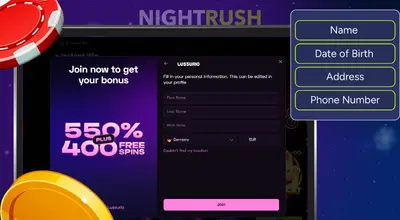
Before beginning recovery, check that the email address or phone number connected with the account is still accessible. Look carefully for spelling errors, expired contact details and messages placed in a junk folder. Do not share a password, one-time code or identity document through an unsolicited message. If the recovery screen does not resolve the problem, contact the listed support channel from the account’s official site and describe the issue without sending more personal information than requested.
A phone is convenient for receiving verification messages, but a larger screen may be preferable when reviewing account notices or uploading documents. If access is restricted because verification is incomplete, support may request government-issued identification, proof of address or evidence that a payment method belongs to the account holder. Take documents in good lighting, check that every detail is readable and use only the requested submission route. Keep a record of when documents were sent and any case reference supplied.
Which settings deserve a review before changing devices?
Review account settings before moving from desktop play to mobile access, or the other way around. Confirm the registered name, residence information, contact details and selected currency. Changes to identity information may require additional review, so do not alter important details casually or enter different information on separate devices. If a legitimate change is necessary, follow the stated process and retain supporting records.
Responsible-gambling controls should also be checked deliberately. The available account information lists deposit, wagering and loss limits, along with time or session limits, reality checks, temporary cooling-off periods and self-exclusion. These tools serve different purposes. A deposit limit concerns money added, a loss limit concerns the result of play, and a session control concerns time or activity. Read the description of each control before selecting one, particularly if the setting has a waiting period or cannot be reversed immediately.
Privacy and notification choices can be easy to overlook on a phone because they may sit beneath a separate profile or settings icon. Check whether promotional messages, security alerts and account notices are directed to the correct email address or phone number. Security alerts should not be disabled merely to reduce notifications. For broader guidance on protecting accounts and devices, consult Canada’s online safety guidance. It can help users think beyond the casino interface and review passwords, updates and device access generally.
What changes when the screen is smaller?
Mobile browser access is useful when a desktop computer is unavailable, but compact screens increase the risk of overlooking details. Menus may be hidden behind an icon, long terms may require scrolling and confirmation buttons can appear below the visible area. Before accepting a promotion, changing a limit or requesting a transaction, scroll through the complete page and look for any conditions, minimums or restrictions displayed beneath the main description.
Do not confuse a responsive website with a native application. The available information supports instant-play access through modern smartphone and tablet browsers, while a verifiable official iOS or Android store listing has not been established. A directory label describing an “app” is therefore not enough to justify downloading a file. Avoid unofficial installation packages, cloned websites and links sent through unsolicited messages. Use the browser address entered or saved from a trusted source, and check the domain before entering credentials.
Public or shared devices require extra care. Do not save passwords on a borrowed computer, leave an account open in a public browser or allow another person to photograph verification documents. On a personal phone, use a screen lock and install system updates promptly. When finished, sign out if someone else could access the device. These habits are especially important when the account includes cashier information, payment records, identity documents or personal limits.
When should support be contacted instead of changing settings?
Contact support when a setting is missing, contradictory or appears to have changed without your action. This applies to failed login recovery, a locked account, an account restriction, a pending verification review or a payment status that does not match the displayed history. The published support information identifies live chat and email as assistance routes, but response times and the exact evidence required can vary by case.
Prepare a concise record before contacting support. Note the device type, browser, approximate time, visible error message and the account section involved. Screenshots can clarify a display problem, but remove passwords, full card numbers, security codes and unnecessary identity information. If a withdrawal or verification review is involved, do not repeatedly submit altered documents or open a second account to work around the issue. Those actions can make the account history harder to assess.
Ask specific questions and request confirmation of the next step. For example, ask whether a limit is active across all devices, whether a document was received, or whether a transaction is waiting for identity or payment-ownership review. Keep copies of support replies and avoid relying on informal claims from forums or social media. If the answer conflicts with the account terms or the screen shown to you, request clarification before making another deposit or changing a promotional selection.
Questions about cross-device account use
Can the same account be opened on a phone and desktop?
Browser access can make it possible to use the same account on different personal devices, but each device should use the registered credentials and accurate account information. Do not create a second account when a login or recovery problem occurs. If access is blocked, use the recovery process or contact support for instructions.
Is a mobile browser the same as a downloadable app?
No. A website adapted for smartphone screens runs through a browser, while a native app is installed from an official application store. Available information confirms browser-based mobile access but does not establish a verified iOS or Android listing. Treat any unofficial download or unexpected installation prompt as a security warning.
What should be checked after changing a limit?
Sign out and sign in again, then open the relevant account-control section to confirm the displayed status. Check whether the limit concerns deposits, losses, wagering or session time, since these are different controls. If the setting is unclear, missing or inconsistent across devices, ask support to confirm it before continuing.